
Story 06 · Condition & Grading
Before the Number: Reading Card Condition
Look past the number on the label and inspect the centering, corners, edges, and surface that shape a card's condition.
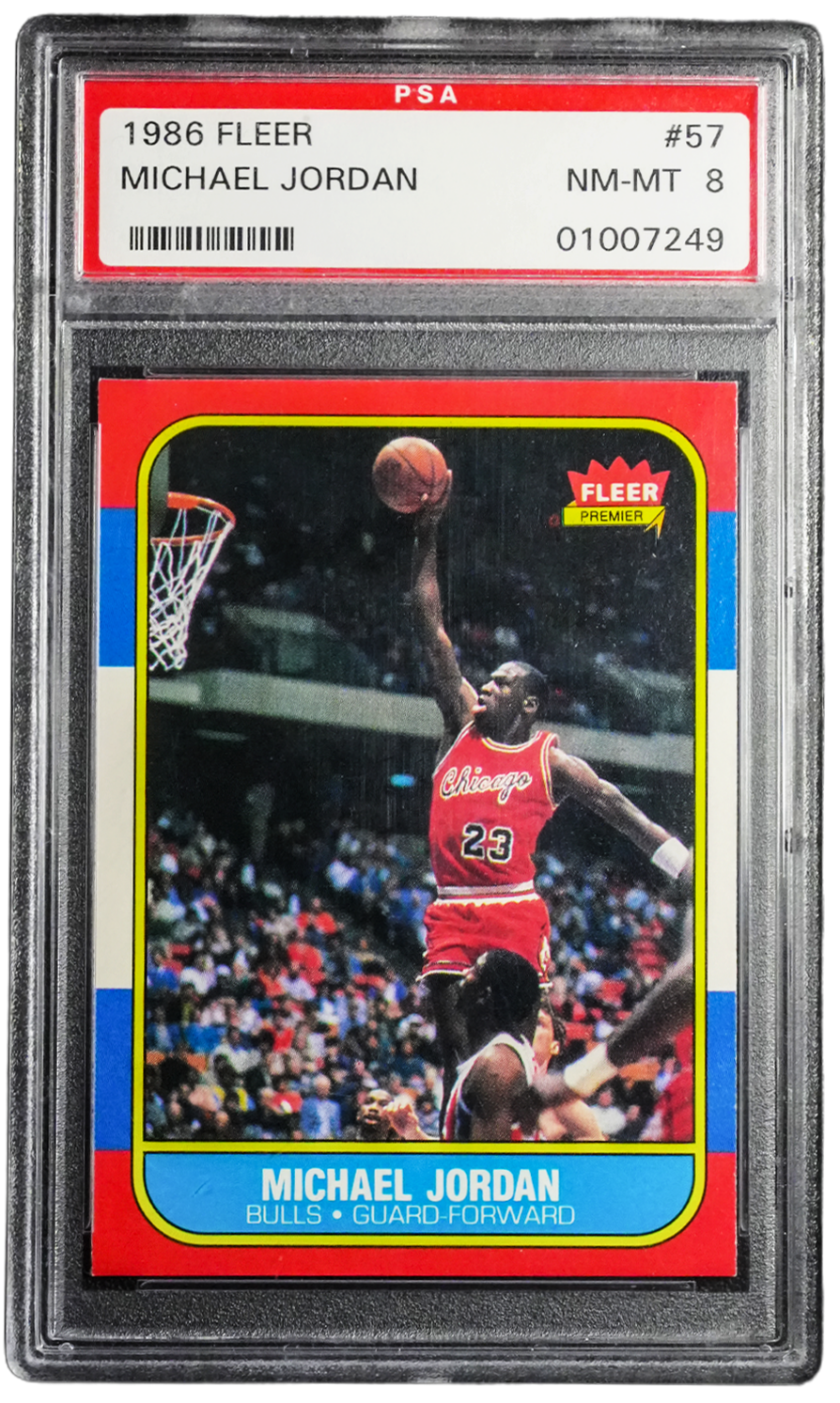
01
Start With the Object
Read the card before the label.
Begin with a full view of the card and slab. Confirm the issue, card number, grading company, grade, and certification information before moving into condition details.
02
Four Inspection Areas
Condition is distributed across the card.
Centering, corners, edges, and surface provide a practical inspection sequence. Print defects, staining, focus, gloss, and other issue-specific characteristics may also matter under a grader's published standard.
- 01Centering
- 02Corners
- 03Edges
- 04Surface
03
The Number
A grade compresses evidence into one opinion.
Published standards create a shared reference, but grading still includes judgment—especially near the boundary between two grades or when overall eye appeal is involved.
That is why two cards carrying the same number can still look different to a collector.
04
Verification
The slab is a starting point, not the whole story.
Use the grading company's certification tools and standards to verify the label and understand the assigned grade. Population and market evidence are separate questions and should not be inferred from condition alone.
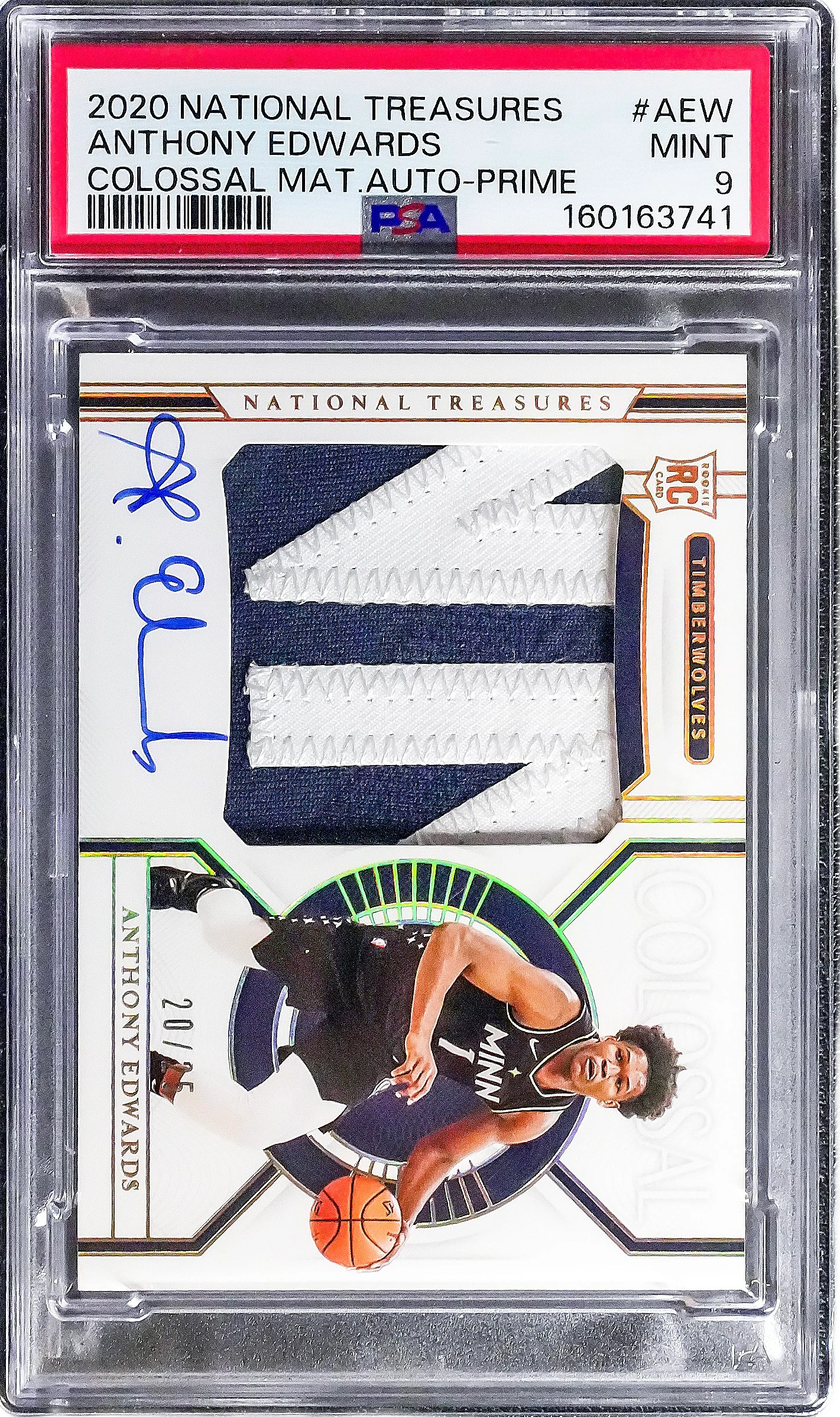
The takeaway
The grade is a concise opinion about condition. The card, grading standard, and visible evidence still deserve to be read together.
Sources & further reading
Next exhibition
Why Rookie Cards Matter