Story 05 · Hobby Context
Who Is Allowed to Make This Card?
Separate league and team marks, player likeness, and autograph agreements to understand what a manufacturer can—and cannot—put on a card.
01
The Rights Stack
A license is not a single switch.
League and team-logo rights, player likeness or group rights, and individual autograph agreements are separate layers.
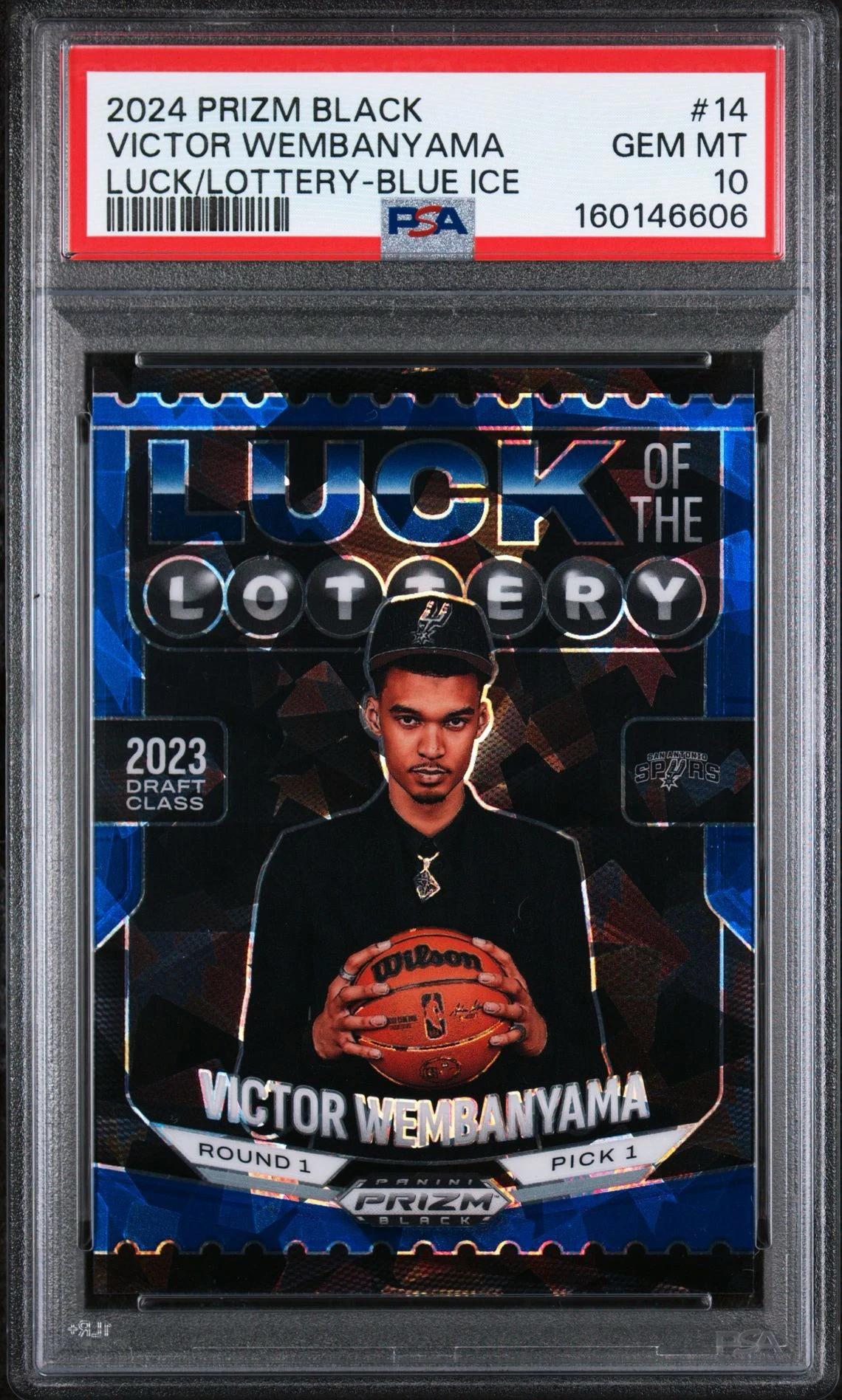
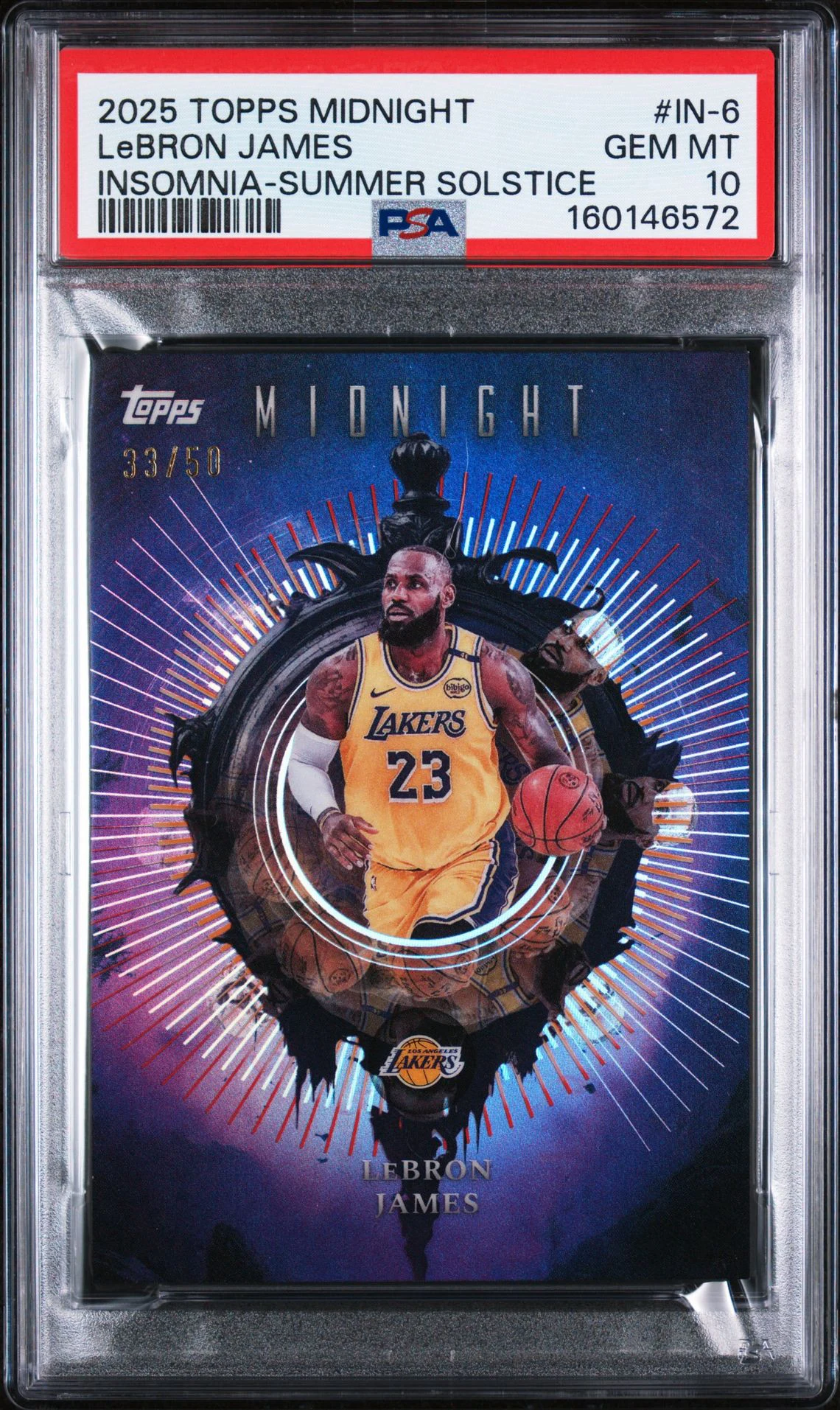
Reading those layers independently helps explain why two cards of the same player can show very different uniforms, marks, and signature access.
02
League & Team
Official marks require their own permission.
Team names, uniforms, and league logos come from league and team licensing. Without that layer, a card may need to remove or avoid official marks even when the player is recognizable.
03
Player & Autograph
A signature agreement does not supply every other right.
A manufacturer may have access to a player's autograph without holding the complete package of league and team rights. The signature can be authentic while the visual presentation remains unlicensed.
04
Modern Example
The layers can reconnect.
The NBA, NBPA, and Fanatics Collectibles announced Topps as the official exclusive trading-card licensee beginning with 2025–26 Topps Basketball.
A verified product timeline can then show when official league presentation, player access, and autograph relationships appear together.
The takeaway
A card can involve several distinct permissions. Seeing those layers separately makes licensed and unlicensed presentations easier to read.
Next exhibition
How Condition Becomes a Grade